


Listening into Action: Community Conversations Across California
Published on Aug 11, 2026 in Federal Advocacy, State Legislation
Background
We are facing the largest cuts to the Supplemental Nutrition Assistance Program (SNAP), also known as CalFresh in California, in history. These cuts are because of the passage of H.R. 1, a Republican mega-bill dubbed the “One Big Beautiful Bill” by the Trump Administration. These cuts put vulnerable communities like immigrants, older adults, veterans, former foster youth, and people experiencing homelessness at greater risk of food insecurity. Though the full effects of these cuts have yet to take effect in California, it is estimated that more than 330,000 Californians have fallen off of CalFresh between H.R. 1’s enactment in July 2025 and May 2026.
Now more than ever, it is critical that we listen to those most affected by recent federal bills and actions to ensure that policy priorities are informed, responsive, and co-created with impacted communities. This year, Nourish California organized five community convenings in partnership with local and statewide organizations to engage with community members impacted by food insecurity and other systemic barriers.
Key Findings:
GENERAL FOOD ACCESS / AFFORDABILITY
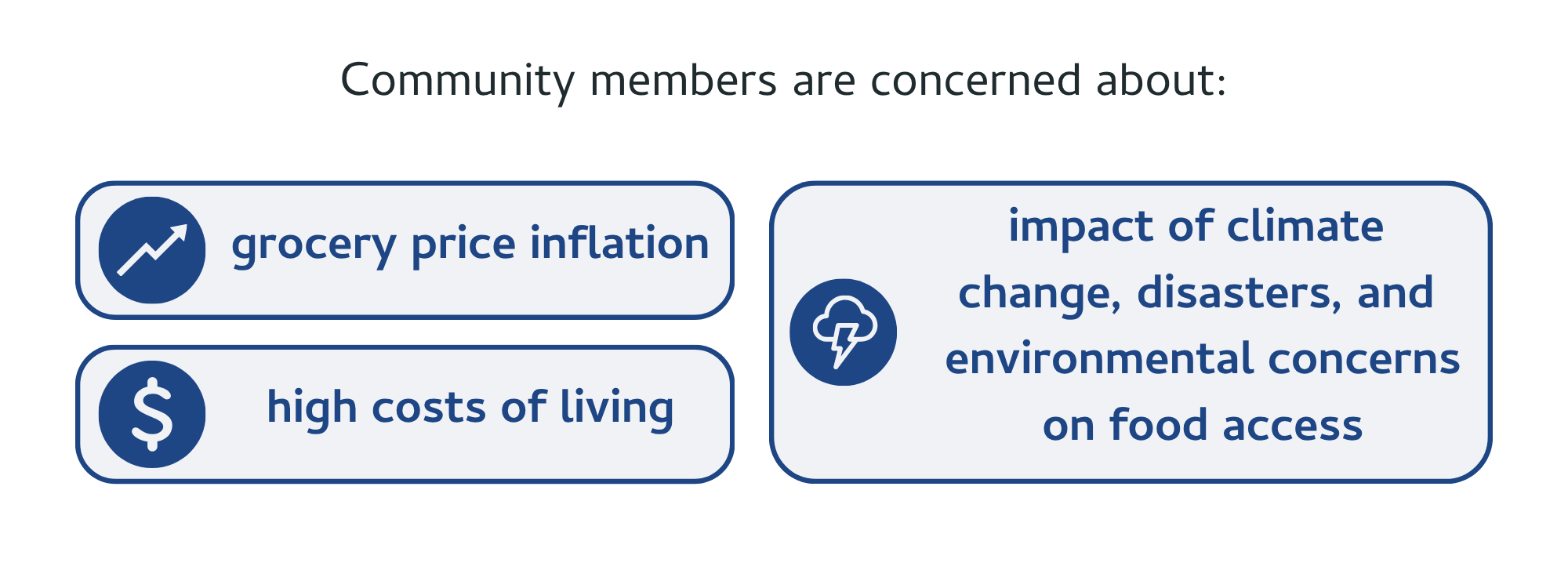
Key finding: Community members are concerned about grocery price inflation, high costs of living, and the impact of climate change and disasters on food access.
Key finding: In some areas, lack of access to nearby grocery stores is still a concern. Even when stores are present, foods are not always affordable, readily available, culturally relevant, or of good quality.
Key finding: Communities report having to make hard choices to get the food they need.
IMPACTS OF H.R. 1 AND OTHER FEDERAL ACTIONS
Key finding: Communities are having to weigh and take risks to get the food they need. These risks include going to grocery stores and food banks despite the fear of immigration enforcement.
Key finding: Immigration and Customs Enforcement (ICE) raids have dropped the use of public benefit services, even for programs where immigration status doesn’t impact eligibility.
Key finding: Communities expressed concern around the CalFresh work requirements and feel it will make it even harder for them to get the food they need.
TRUSTED MESSENGERS
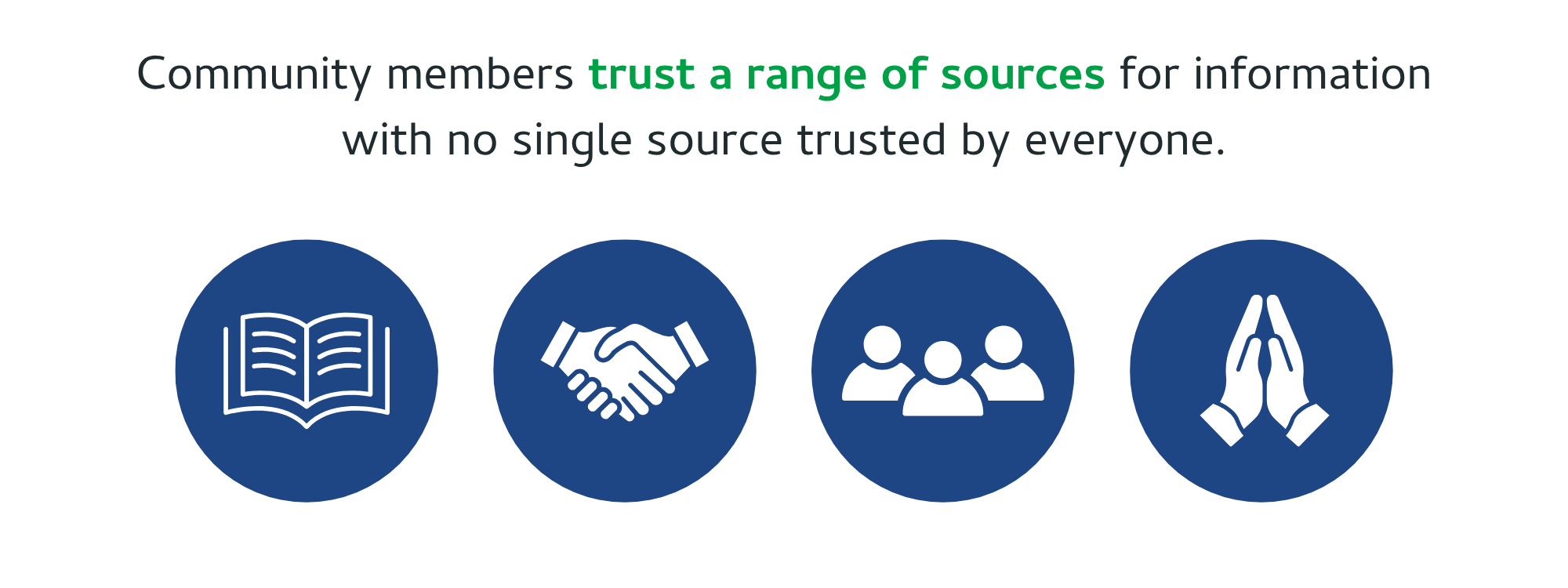
Key finding: Some trusted resources are schools, direct aid organizations, non-profits, churches and other groups that directly work with communities.
Key finding: Communities express extreme frustration and distrust of the federal government.
Key finding: Communities prefer to get news from social media rather than traditional news sources due to misinformation, confusion, and lack of transparency.
OTHER FINDINGS
Key finding: In K-12 school settings, many students do not have enough time to eat breakfast and lunch.
Key finding: Communities want more information and resources during times of disasters and crises.
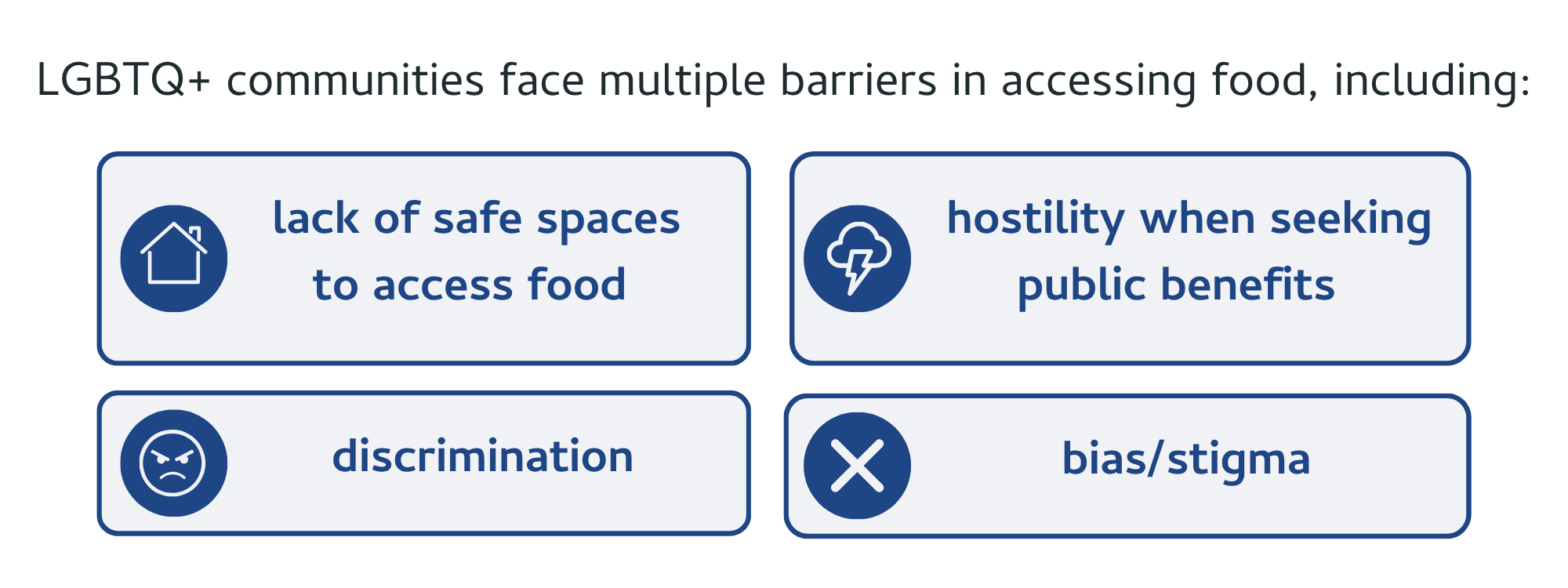
Key finding: LGBTQ+ communities face multiple barriers in accessing food. This includes a lack of safe spaces to access food, bias, discrimination, stigma, and hostility when seeking public benefits.
Key finding: For individuals and communities transitioning out of prisons and jails, barriers to accessing resources include a lack of awareness around what is actually available, a lack of identifiable documentation, and a lack of ability to describe work history or provide supporting documentation.
Recommendations
- Effective approaches must be flexible and be able to shift in response to current community needs and circumstances, rather than defaulting to set structures.
- Community input must be integrated into organizational structure, decision-making, and the shaping of programs and policies.
- Policy, communications, and community outreach solutions should be informed by the people they intend to serve, not just designed for them.
- Transparency and consistent communication is critical in rebuilding and strengthening trust. This means helping communities understand the “why,” not just the “what.”
See our final report here.
Check out our additional topic-specific supplemental reports!
Questions? Please email Michelle, michelle@nourishca.org(opens in new tab)Questions? Please email Michelle, michelle@nourishca.org
(opens in new tab)